April 13, 2026
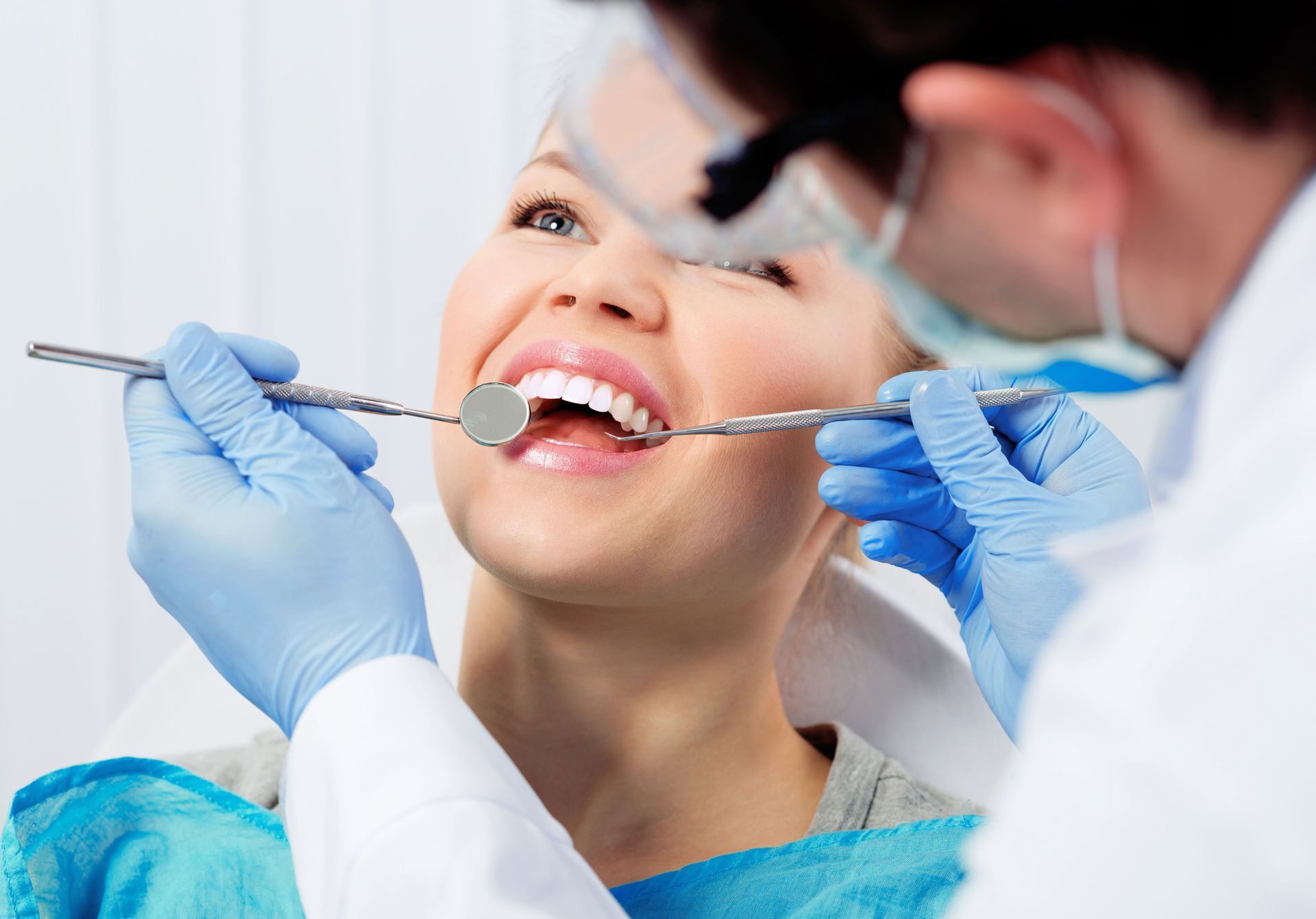
Maintaining good oral health is essential not only for a bright smile but also for your overall well-being. Many common dental conditions, if left untreated, can lead to discomfort, functional issues, and even broader health concerns. Fortunately, local dentists are equipped with the knowledge and tools to diagnose, treat, and prevent these problems effectively. This article highlights several common oral health conditions and explains how dentists help patients protect and restore their smiles. Understanding these conditions can empower individuals to make better decisions about their daily oral care routines. With the right guidance and timely treatment, achieving long-lasting dental health becomes much more attainable.
1. Prevent Tooth Decay and Restore Damaged Teeth
Tooth decay, or dental caries, is primarily caused by the accumulation of plaque on the teeth, where bacteria produce acids that erode tooth enamel. Consuming high-sugar and acidic diets can exacerbate this process, leading to cavities. A local dentist plays a crucial role in identifying early signs of decay and implementing interventions. Regular check-ups, professional cleanings, and patient education on proper oral hygiene can prevent the progression of tooth decay. Early detection allows for less invasive treatments and better long-term outcomes.
According to the CDC, cavities, along with gum disease and severe tooth loss, are the three oral conditions that most affect overall health. Untreated cavities can lead to severe consequences such as infections and tooth loss, which can in turn affect nutritional intake and self-esteem. Local dentists offer restorative treatments such as fillings, crowns, or, in severe cases, root canal therapy, to restore tooth function and appearance. Moreover, they provide personalized care plans focusing on prevention and maintenance. These tailored approaches help address individual risk factors and promote lasting oral health.
Prevention is often the best approach, and local dentists emphasize the importance of fluoride treatments and sealants, particularly for children. These proactive measures strengthen enamel and prevent the onset of decay. Furthermore, dentists educate patients about reducing sugar intake and maintaining a balanced diet, which are pivotal in protecting against caries. By visiting a local dentist regularly, individuals can receive professional guidance tailored to protect their oral health for the long term. Consistent preventive care significantly reduces the likelihood of developing serious dental issues later in life.
2. Treat Gum Disease and Protect Gum Health
Gum disease, also known as periodontal disease, starts as gingivitis and can advance to more severe forms affecting the supporting structures of the teeth. It is primarily caused by poor oral hygiene that leads to plaque buildup and inflammation. A local dentist can identify the early signs of gum disease and provide treatments to halt its progression. Professional cleanings to remove plaque and tartar are essential steps in treating gingivitis.
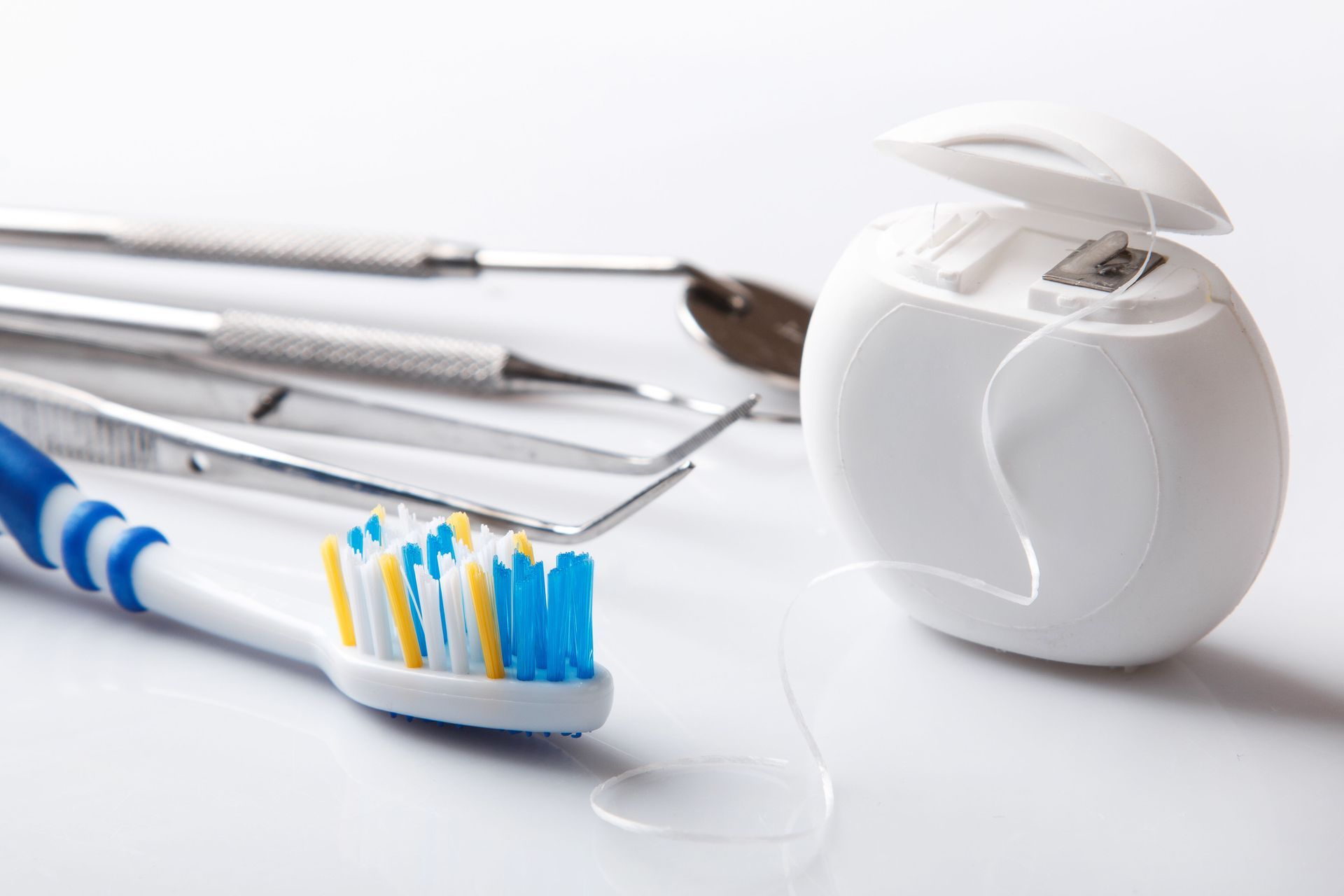
As the disease progresses, more intensive treatments may become necessary, such as scaling and root planing, which help remove bacteria from beneath the gum line. Beyond these deep-cleaning treatments, dentists might prescribe antimicrobial mouthwashes or antibiotics to prevent bacterial growth. Severe gum disease significantly affects overall health and can lead to tooth loss and other systemic conditions. Local dentists not only treat the condition but also emphasize the importance of daily flossing and proper brushing techniques to manage and prevent gum disease.
Surgical interventions might be necessary for advanced periodontal disease, involving procedures to reduce pocket depths and regenerate lost bone. Dentists also guide patients on lifestyle modifications such as quitting smoking, which has been linked to increased risk of periodontal disease. By maintaining regular check-ups and implementing dentist-recommended practices at home, individuals can significantly reduce the risk of developing serious gum issues. Therefore, relying on your local dentist for consistent care is an integral part of retaining healthy gums.
3. Relieve Tooth Sensitivity and Strengthen Enamel
Tooth sensitivity can be an uncomfortable experience, often triggered by consuming hot, cold, sweet, or acidic substances. It is usually caused by exposed dentin, the layer beneath the enamel, due to factors like enamel wear or gum recession. Local dentists can effectively diagnose the underlying cause of tooth sensitivity and recommend appropriate treatments. These may include prescribing desensitizing toothpaste, fluoride varnishes, or sealants to protect exposed areas.
Habitual behaviors, such as brushing too hard or using a hard-bristled toothbrush, can exacerbate sensitivity by further eroding enamel or damaging gums. Local dentists play an educational role by advising on proper brushing techniques and recommending a soft-bristled brush. Desensitizing treatments provide relief by blocking pathways within the teeth that lead to nerves, significantly reducing discomfort. Additionally, dentists might suggest dietary modifications to avoid acidic foods and drinks that can contribute to sensitivity.
In cases where tooth sensitivity is linked to more serious issues, such as fractured teeth or decay, more extensive restorative treatments may be necessary. By addressing these underlying problems, local dentists can provide long-term solutions for sensitivity issues. Regular check-ups are vital, as they allow dentists to monitor changes in sensitivity and adapt treatment plans accordingly. Individuals experiencing recurring tooth sensitivity should consult their local dentist, ensuring expert advice tailored to their specific needs.
4. Replace Missing Teeth and Restore Oral Function
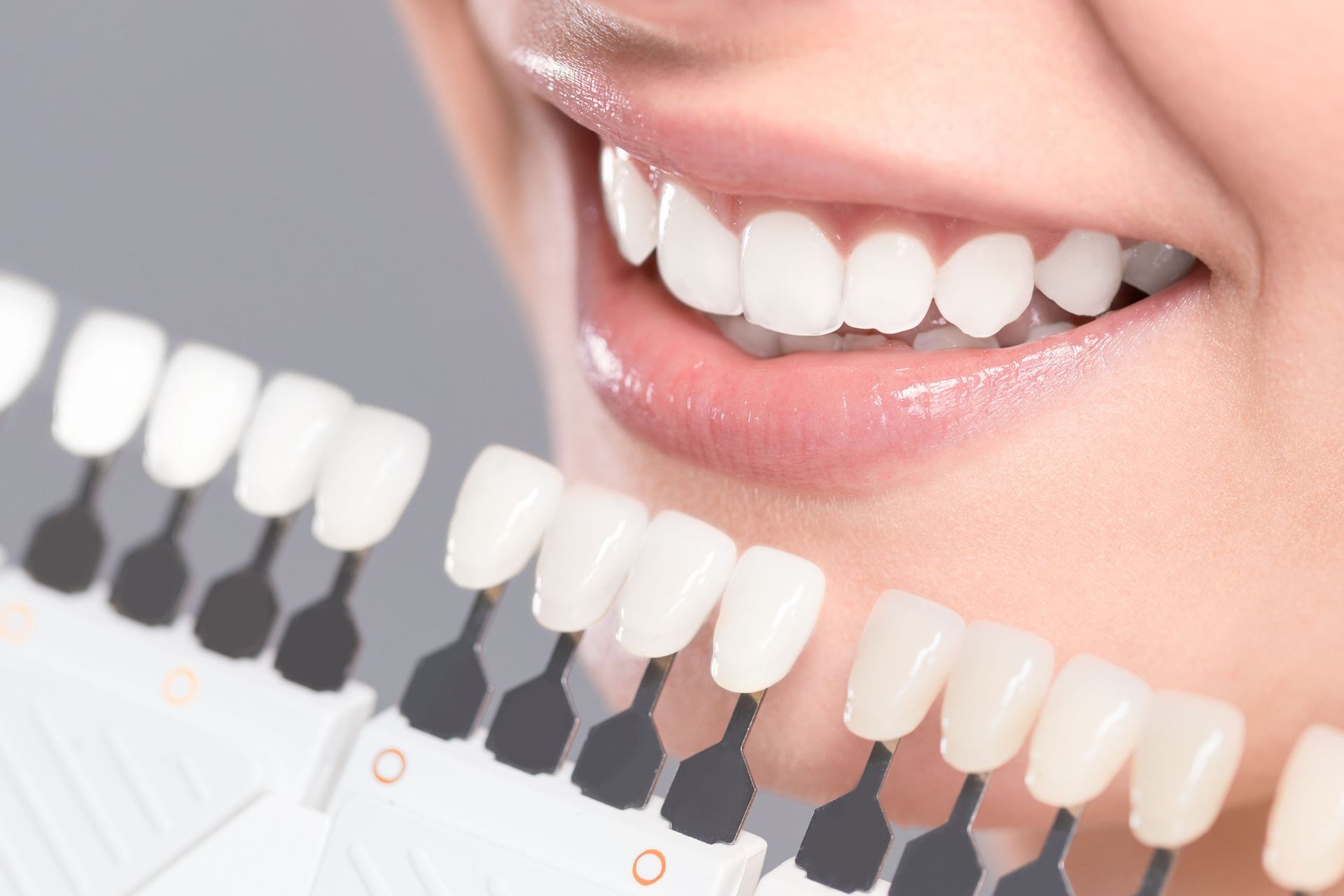
Tooth loss can result from various factors, including trauma, decay, or gum disease, and can significantly impact both function and aesthetics. Local dentists offer several solutions for tooth replacement, catering to individual needs and circumstances. One of the most common options is dental implants, which serve as a permanent replacement for lost teeth. Implants are surgically placed in the jawbone, providing a durable and natural-looking solution that mimics the structure of natural teeth.
Other alternatives include bridges and dentures, which are more suitable for patients unable or unwilling to undergo implant surgery. Bridges can replace a single tooth or a small section, anchored by surrounding teeth, while dentures provide a removable solution for larger areas of tooth loss. Though these options vary in permanence and cost, local dentists are skilled in assessing patient requirements and preferences to recommend the best course of action. Severe tooth loss can affect overall health, making replacement options critical for maintaining facial structure and oral function.
Maintaining oral hygiene is essential post-replacement to ensure the longevity of implants, bridges, or dentures. Regular visits to a local dentist allow for the monitoring of oral health and the maintenance of replacements. Furthermore, local dentists provide cleaning and adjustments as needed, ensuring continued comfort and function. Addressing tooth loss is not just about restoring appearance but also improving quality of life through enhanced oral function and increased confidence in one's smile. Proper care and professional support help ensure that these restorations remain effective and comfortable for years to come.
Addressing oral health concerns early with the help of a local dentist can make a significant difference in both comfort and long-term health. From preventive care to advanced restorative treatments, dentists provide essential support tailored to each patient’s needs. By staying consistent with dental visits and maintaining good oral hygiene habits, individuals can reduce the risk of serious complications. In the end, a proactive approach and a trusted dental professional are key to preserving a healthy, confident smile for years to come. Investing in oral health today can help prevent costly and invasive procedures in the future. Ultimately, consistent care and professional support ensure not just a healthier mouth but a better quality of life overall. Reach out to Gentle Dental Care of Tyler to learn more about our services today.