October 15, 2026
Undergoing a tooth extraction can be a daunting experience, but knowing how to care for yourself afterward is crucial to a successful recovery. Tooth extraction is necessary for various reasons, such as severe decay, advanced periodontal disease, or preparing for braces. By adhering to proper care instructions and understanding the recovery process, patients can significantly minimize discomfort, avoid complications, and expedite healing. Maintaining regular communication with your dentist and following their advice is also essential to ensure a smooth recovery. Remember, every individual's recovery experience may vary, so tailored guidance from a professional can make a substantial difference. In this guide, we will explore essential tips to help you navigate the tooth extraction recovery journey. Taking the right precautions from the beginning can help you feel more comfortable and confident throughout the healing process.
Understand the Tooth Extraction Recovery Timeline
The recovery period following a tooth extraction varies from person to person, depending largely on the complexity of the extraction and the individual's overall health. On average, patients may experience initial healing within the first week, although it takes significantly longer for the jawbone and surrounding tissues to heal completely. More complicated extractions, such as wisdom teeth removal, may require a longer recovery time of up to two weeks. It's important to keep in mind that regular follow-up appointments with your dentist can help monitor healing progress and address any concerns promptly. Extractions that involve impacted teeth or additional procedures may also extend the recovery timeline. Knowing what to expect can make it easier to recognize normal healing and identify when professional guidance may be needed.
Understanding the expected timeline can alleviate concerns and help set realistic expectations. Immediately after the procedure, it is normal to experience some swelling and discomfort. However, complete recovery can take several weeks as tissues regenerate and the body adapts to changes in the oral cavity. Keeping the extraction site clean by following post-operative care instructions is vital in supporting the natural healing process. It's normal to have good and bad days during recovery, but persistent pain or swelling should be communicated to your dentist for further evaluation. Giving your body adequate time to heal can help reduce the likelihood of unnecessary setbacks.
Choose Soft Foods to Support Healing
Post-extraction nutrition plays a critical role in recovery. It's essential to opt for soft foods that do not require heavy chewing, such as yogurt, broth-based soups, and mashed potatoes, especially in the first few days following the extraction. These foods not only provide necessary nutrients but also help avoid irritation to the extraction site, promoting quicker healing. Liquids and smoothies are also beneficial as they keep you hydrated while being gentle on the healing area. Incorporating foods rich in protein and vitamins can further support the body's repair mechanisms. Choosing healthy foods can provide your body with the energy and nutrients it needs while minimizing irritation to the healing area.
Avoid hard, crunchy, or sticky foods, as well as beverages with extreme temperatures, all of which pose risks to the delicate healing tissues. Furthermore, spicy and acidic foods can exacerbate discomfort and hinder recovery. To promote optimal healing, a balanced diet rich in vitamins and minerals aids recovery and boosts your body's natural defense against infection. Keeping even, consistent meals throughout the day can help stabilize energy levels, supporting overall wellness during recovery. It might also be helpful to plan meal preparation to ensure you have suitable foods readily available during your recovery period. Preparing appropriate meals ahead of time can make it easier to follow these dietary recommendations during the first few days.
Manage Pain and Support Your Comfort
Pain management is a priority after a tooth extraction. Your dentist will likely prescribe or recommend over-the-counter pain relief options such as ibuprofen or acetaminophen. These medications are effective at managing discomfort and reducing inflammation when taken as directed. It's also advisable to use a cold compress against the cheek near the extraction site to reduce swelling and numb soreness in the initial days following extraction. Consistency in pain management routines enhances comfort and can improve overall recovery outcomes. Always follow dosage instructions and never exceed recommended limits to avoid potential complications. Maintaining proper oral hygiene without disrupting the healing site is equally important, so continue brushing but avoid the extraction area directly. Following your dentist's specific recommendations can help you manage discomfort safely while supporting the healing process.
Moreover, it is crucial to stay hydrated. Drinking plenty of fluids keeps your body well-hydrated, aiding the healing process. However, avoid using straws, as the suction can dislodge the blood clot at the extraction site, leading to a painful condition called dry socket. Relaxation and ample rest further support pain management, helping the body focus on healing. Engaging in calming activities can also reduce stress, positively impacting pain levels. Listen to your body, and modify your usual routines to accommodate your recovery needs. Above all, ensure you maintain follow-up appointments with your dentist to monitor the healing progress and address any concerns promptly. Allowing yourself time to rest and recover can help your body heal without unnecessary strain.
Prevent Infection With Proper Oral Hygiene
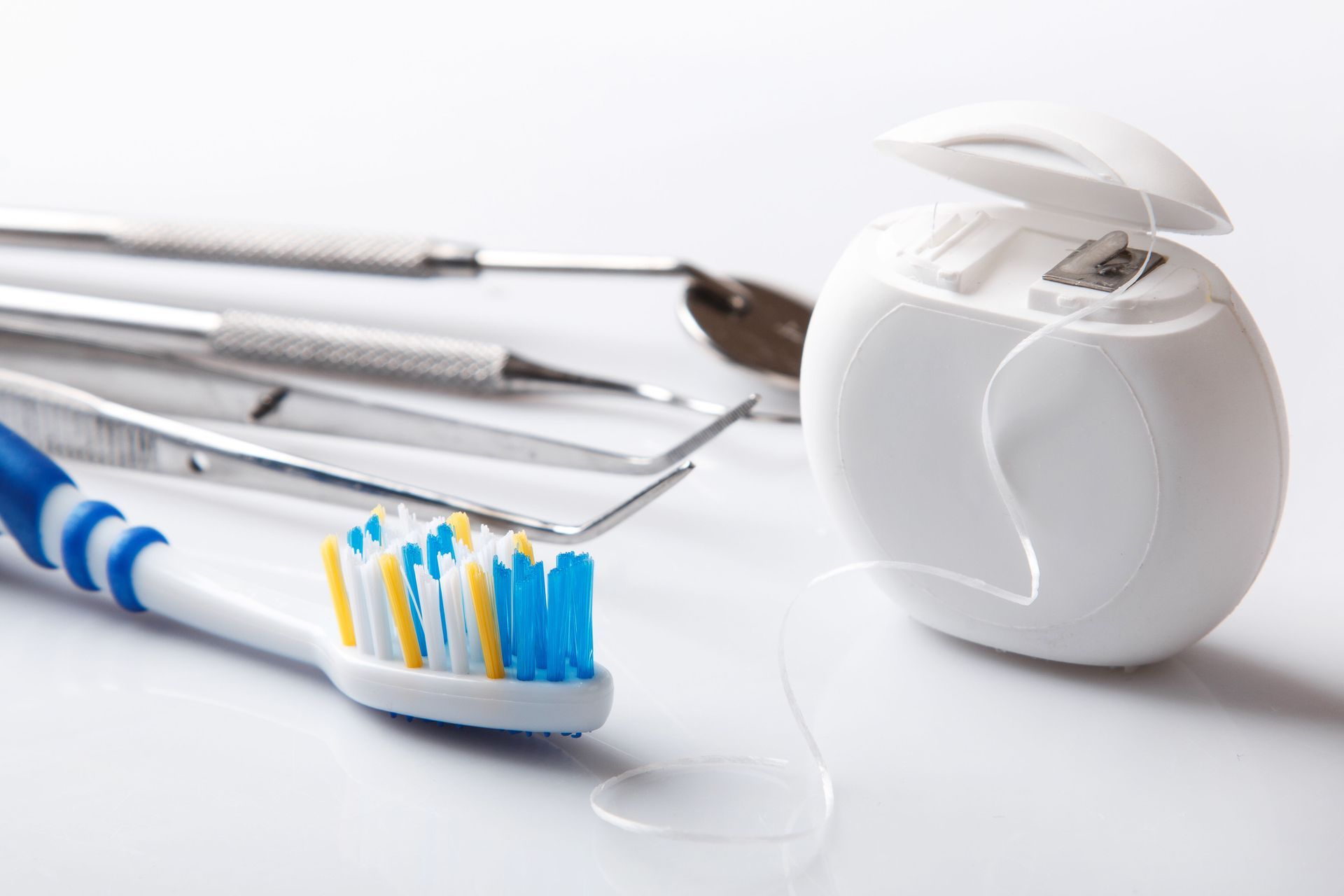
Infection prevention is a cornerstone of post-extraction care. It’s vital to maintain good oral hygiene to deter infections. However, be gentle around the extraction site and avoid aggressive rinsing after surgery. Afterward, saltwater rinses can help cleanse the mouth, promote healing, and reduce the risk of bacterial growth. Begin gently rinsing with a solution of half a teaspoon of salt in a glass of warm water two to three times a day. Implementing minimal-touch techniques while caring for the extraction area is advised, as direct contact might introduce bacteria to the wound. Monitoring for unusual signs such as persistent pain or swelling can also help detect complications early. Careful oral hygiene allows you to keep your mouth clean without disturbing the tissues that are still healing.
The prevalence of periodontal disease is a reminder of the importance of oral hygiene, as approximately 42% of adults aged 30 and older are affected, according to the CDC. Maintaining regular oral hygiene practices, including brushing and flossing, is crucial after any necessary adjustments following a tooth extraction. Not only does this routine prevent infection, but it also fosters a clean environment for new tissue growth. Regular check-ups with your dental care provider can provide reassurance and professional insights for ongoing care. Following these steps can significantly enhance tissue recovery, ensuring a smooth healing process. Moreover, adhering to the dentist's post-operative instructions is essential for optimal recovery. Consistent dental care can also help protect your oral health after the extraction site has fully healed.
Tooth extraction recovery can be a smooth process if the right steps are taken. From understanding the healing timeline to making informed dietary choices and employing effective pain management strategies, each step is integral to the recovery journey. Additionally, taking proactive measures to prevent infection significantly enhances the healing process. Staying informed and focused on your recovery goals can improve outcomes and reduce anxiety related to the procedure. Foster open communication with your dental care team for tailored solutions that address your specific circumstances. By adhering to the tips outlined in this guide, you can promote a successful and expedited recovery. Reach out to Gentle Dental Care of Tyler to learn more about our services today.