February 19, 2026
As we age, our smiles naturally change, but that doesn't mean they have to lose their brightness, strength, or vitality. Maintaining a youthful smile requires more than occasional brushing. It involves consistent daily care, smart lifestyle choices, and professional support from local dentists. From preventing discoloration and gum disease to improving alignment and overall appearance, a proactive approach can make a lasting difference. By understanding the most effective habits and treatment options available, you can preserve a healthy, confident smile at every stage of life.
Good Daily Brushing and Flossing Techniques
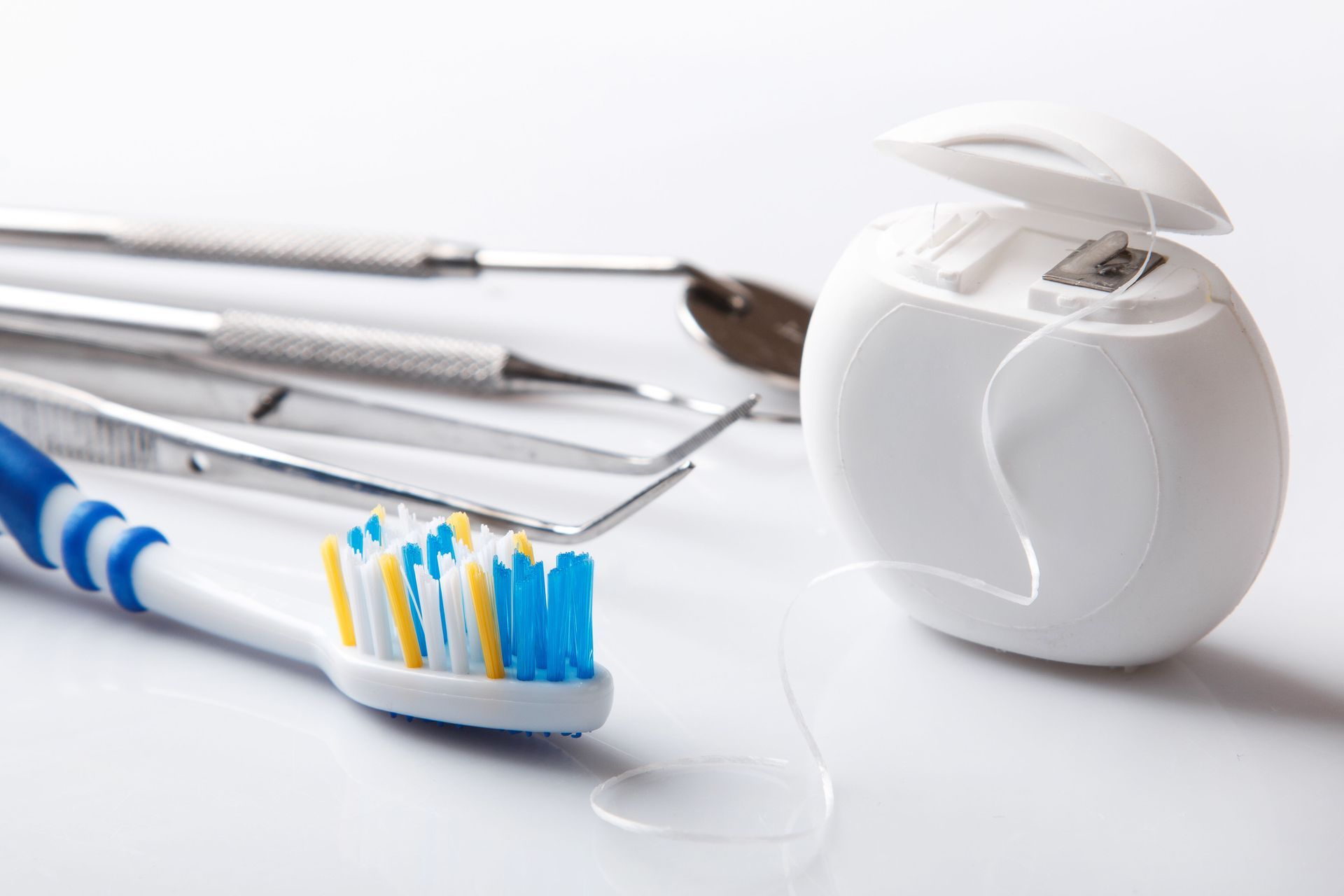
Effective daily oral hygiene is the cornerstone of maintaining a youthful smile. Brushing twice a day with fluoride toothpaste can help remove plaque and prevent cavities. Proper brushing techniques involve gentle circular motions, ensuring that both teeth and gums are adequately cleaned. Flossing is equally important, as it removes food particles and plaque from between the teeth that a toothbrush may miss. Together, these habits form the first line of defense against oral health issues.
In addition to proper technique, choosing the right tools can make a noticeable difference in daily oral care. A soft-bristled toothbrush is typically recommended because it effectively removes plaque without damaging enamel or irritating the gums. Electric toothbrushes can also be beneficial, especially for individuals who struggle with manual dexterity, as they provide consistent motion and thorough cleaning. Replacing your toothbrush or brush head every three to four months helps maintain effectiveness and prevents bacteria buildup.
Consistency is just as important as technique. Brushing and flossing at the same time each day helps establish a routine that becomes second nature over time. Nighttime care is particularly critical, as bacteria can multiply more rapidly while you sleep due to reduced saliva production. Taking a few extra minutes to thoroughly clean along the gums and between teeth each day can significantly reduce the risk of gum recession, decay, and other age-related oral health concerns.
Utilizing Antimicrobial Mouthwash
Incorporating an antimicrobial mouthwash into daily routines can significantly enhance oral hygiene. These mouthwashes help in reducing bacteria that cause plaque and gum disease. Their use is especially beneficial in reaching areas that might be missed during brushing and flossing. Moreover, they contribute to fresher breath, a key aspect of a youthful smile. Selecting a mouthwash that addresses specific oral concerns can further enhance its effectiveness.
It is important to use mouthwash correctly to maximize its benefits. Most antimicrobial rinses should be swished for at least 30 seconds to allow the active ingredients to effectively reduce bacteria throughout the mouth. For best results, mouthwash should be used after brushing and flossing, and eating or drinking should be avoided for at least 30 minutes afterward. Following the manufacturer's instructions and consulting with local dentists can help determine which formulation best supports your specific oral health needs.
Regular Dental Check-ups and Cleanings
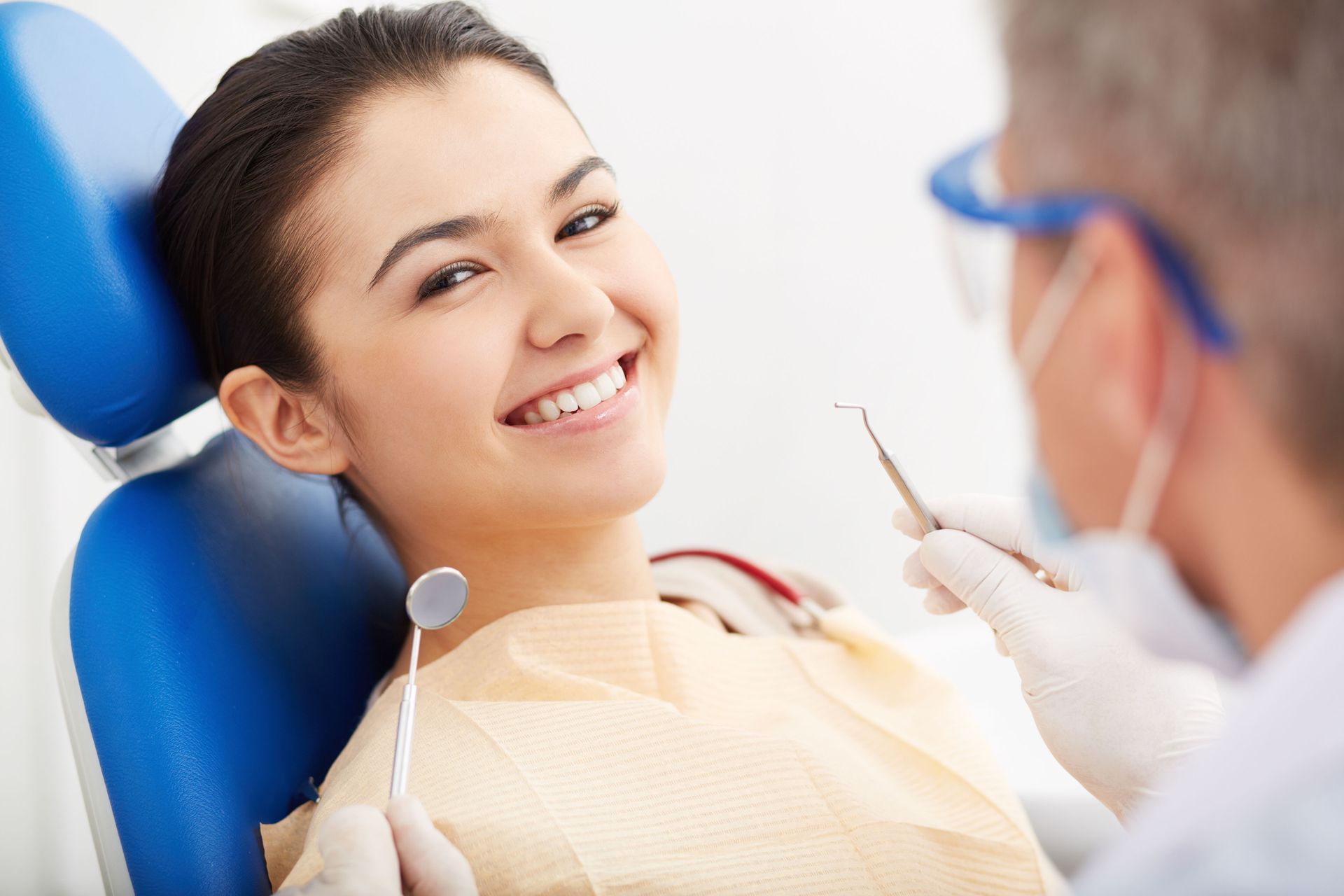
Dental check-ups and cleanings play an integral role in maintaining oral health and catching early signs of dental issues. Regular visits to local dentists allow for professional cleanings, plaque removal, and identification of cavities or gum disease. According to Forbes, about 90% of U.S. adults 20 years and older have experienced at least one cavity, underscoring the importance of professional oversight. Dentists can also provide personalized recommendations for improving hygiene techniques. Consistent dental care ensures a proactive approach to maintaining a youthful smile.
In-Office Teeth Whitening Procedures
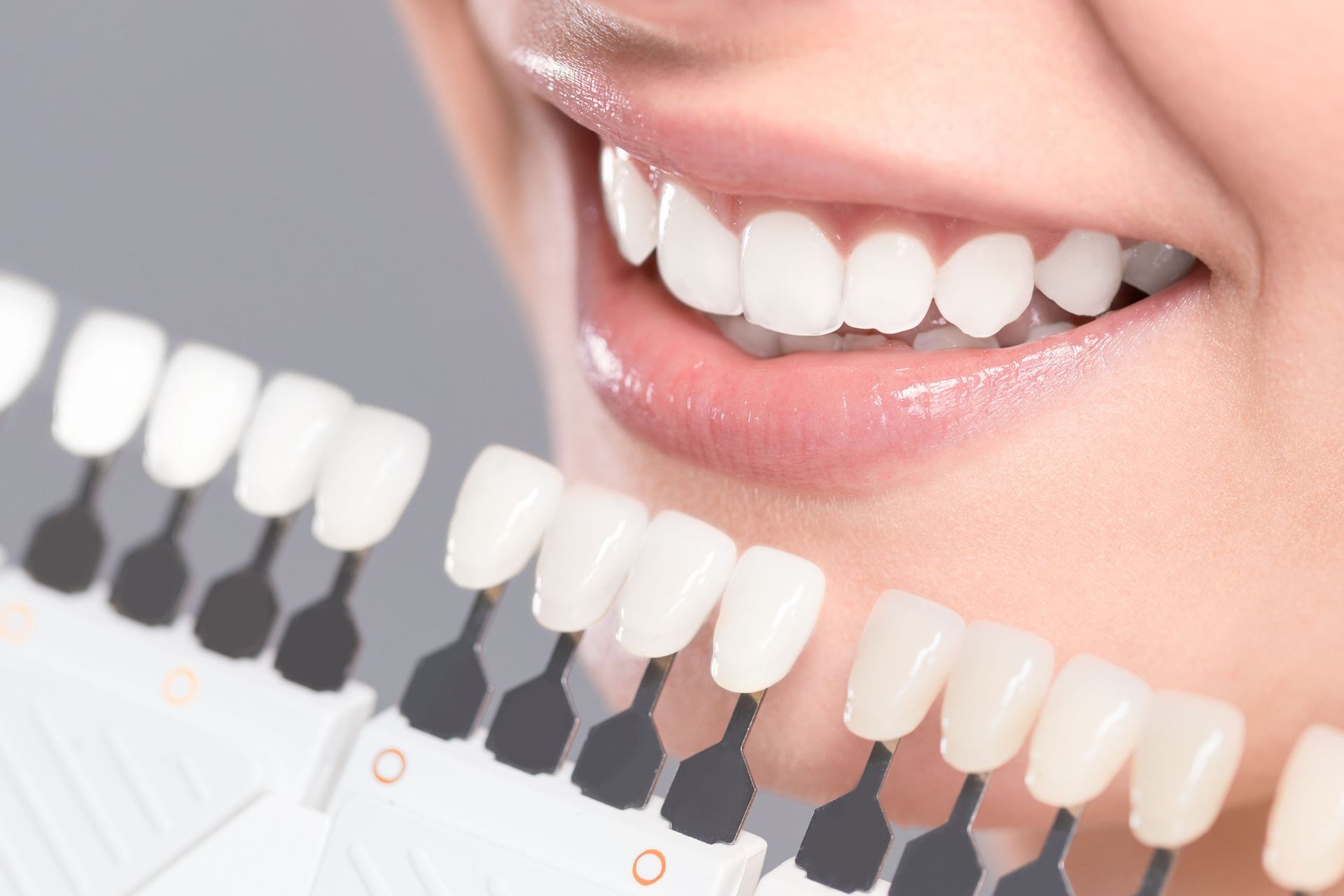
In-office whitening procedures are popular choices for achieving a significantly whiter smile. These treatments are effective because they are performed by professionals who use stronger bleaching concentrations than over-the-counter products. The results are often immediate and long-lasting with minimal side effects. Patients can consider this option if they wish to see drastic improvements in discoloration in a short amount of time. Professional whitening not only enhances appearance but also contributes to confidence and self-esteem.
Before undergoing an in-office whitening treatment, a dental professional will typically evaluate the health of your teeth and gums to determine whether you are a good candidate. Addressing issues such as cavities, gum inflammation, or enamel erosion beforehand helps promote better results and reduce sensitivity. Local dentists may also discuss lifestyle habits, such as coffee, tea, or red wine consumption, that can affect long-term whitening outcomes. With proper aftercare and periodic touch-ups, professional whitening can maintain a brighter, more youthful appearance for years.
Dental Veneers and Bonding Solutions
Dental veneers and bonding are versatile solutions for those wanting to improve the aesthetics of their smile. Veneers are custom-made shells designed to cover the front surface of teeth, offering a remedy for discoloration, chips, or gaps. Alternatively, dental bonding involves applying tooth-colored resin to repair minor flaws. Both methods provide durable, natural-looking results that can rejuvenate an individual's appearance. Selecting between these options depends on personal needs and desired outcomes.
Orthodontics for Seniors
Orthodontic treatment isn't limited to children and teenagers; many seniors are now opting for braces or aligners to correct misaligned teeth. Modern orthodontics offers various options, from traditional metal braces to clear aligners, catering to different preferences and budgets. These treatments do not just enhance aesthetics; they improve oral health by making teeth easier to clean. A well-aligned smile can dramatically restore youthfulness and function. Consulting with an orthodontist can provide insights into the best approach for individual concerns.
Many seniors are surprised to learn that orthodontic treatment can be both discreet and comfortable with today's advancements. Clear aligners, for example, offer a nearly invisible option that can be removed for eating and cleaning, making them especially appealing for adults. Treatment plans are tailored to each patient's oral health status, taking into account factors such as bone density and existing dental work. With proper planning and monitoring, orthodontic care later in life can deliver meaningful improvements in both appearance and long-term oral function.
Good Nutrition
Nutrition plays a crucial role in maintaining dental health and preserving a youthful smile. Consuming a balanced diet that includes essential vitamins and minerals supports tooth and gum health. Calcium, vitamin D, and phosphorus are particularly important for strong, healthy teeth. Additionally, limiting sugar intake can reduce the risk of cavities and decay. Making informed dietary choices can considerably impact long-term oral health.
Avoiding Tobacco and Alcohol
Tobacco and alcohol can have detrimental effects on oral hygiene and appearance. Smoking and chewing tobacco contribute to gum disease, tooth loss, and staining. Alcohol can dry out the mouth, limiting saliva production, which plays a key role in neutralizing acids and cleaning the mouth. Combined, these habits accelerate the aging process of teeth and gums. Reducing or quitting these substances can significantly improve oral health and prolong a youthful smile.
Staying Hydrated
Staying hydrated is essential for maintaining saliva production, which is vital for oral health. Saliva acts as a natural defense system, helping to wash away food particles and neutralize harmful acids. Dehydration reduces saliva production, increasing the risk of tooth decay and gum disease. Regular water intake encourages optimal saliva levels, supporting overall oral homeostasis. Besides internal benefits, proper hydration also contributes to fresher breath and a healthier smile.
By integrating these practices into your daily routine, you can maintain a youthful and radiant smile throughout the aging process. Regular professional care from local dentists, mindful habits, and a positive lifestyle create the foundation of lifelong oral health and personal confidence. Embracing a comprehensive approach to oral care not only preserves your smile but also enhances your overall well-being. An investment in oral health at Gentle Dental Care of Tyler is an investment in long-term happiness and quality of life. Reach out to us today to get started!