March 16, 2026
Maintaining good oral health requires more than just brushing your teeth. Daily hygiene habits, smart dietary choices, and healthy lifestyle decisions all play a role in protecting your teeth and gums. By understanding how these factors work together, you can reduce the risk of cavities, gum disease, and other dental concerns, while supporting overall health.
1. Oral Hygiene
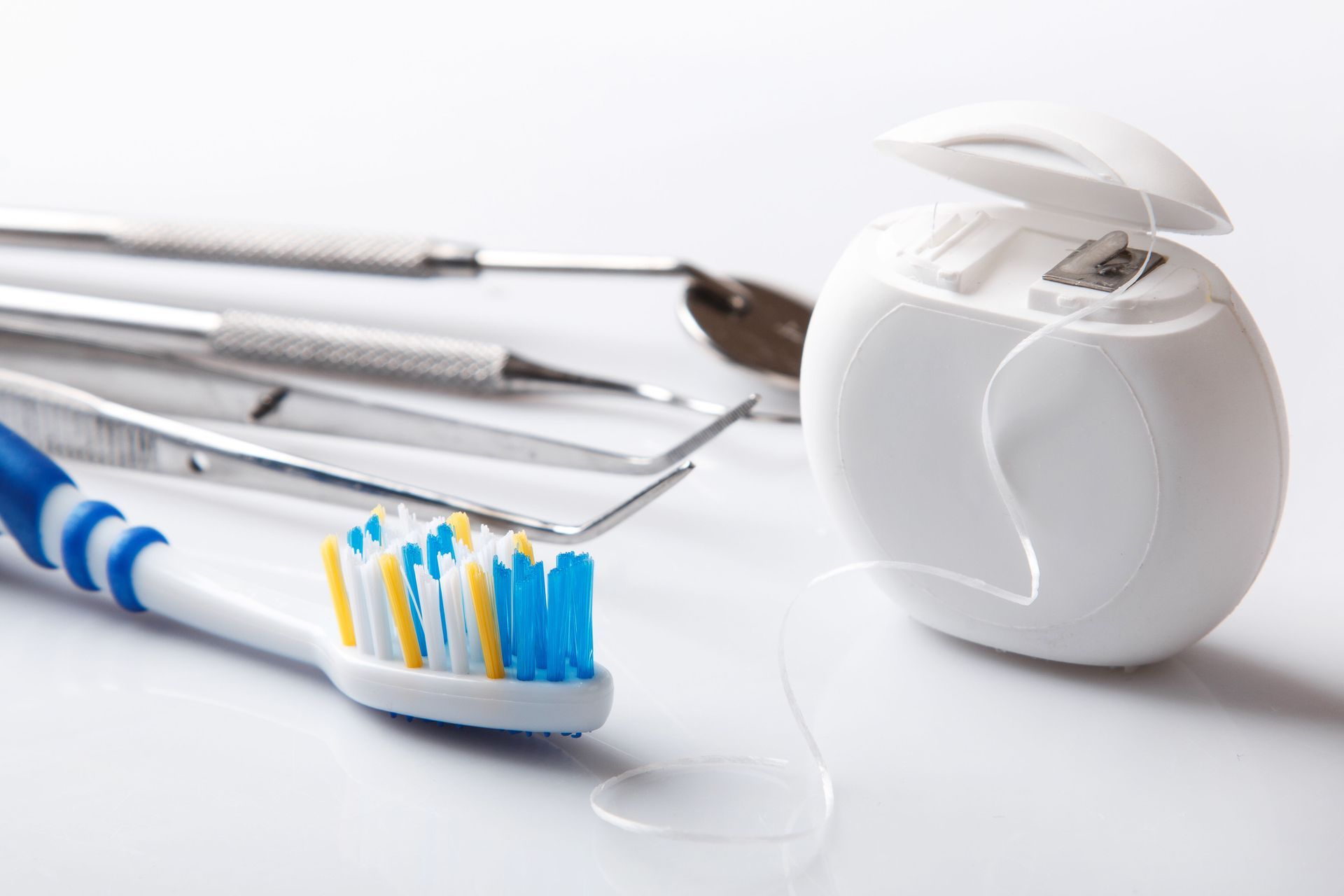
Using the correct toothbrush and technique can significantly impact dental health. The recommended method involves gentle circular motions with a soft-bristled toothbrush to effectively remove plaque without damaging the gums. Brushing regularly is suggested for maintaining oral hygiene and lowering the likelihood of advanced decay. It's important to replace your toothbrush frequently to ensure effectiveness. A balanced brushing approach helps remove food debris and bacteria, reducing the risk of cavities, gum disease, and the potential need for tooth extraction due to severe damage.
While brushing cleans the surfaces of teeth, flossing targets the areas between them where toothbrushes can't reach. Removing plaque and food particles from these spaces helps prevent gum disease and cavities that, if left untreated, may result in infection. Flossing daily is crucial for maintaining healthy teeth and gums as it reduces the risk of tartar build-up and gum inflammation. Using the correct flossing technique, which includes gently curving the floss around each tooth and sliding it up and down, ensures effectiveness. Incorporating flossing into a daily oral care routine can substantially improve oral health outcomes.
Mouthwash can be a valuable addition to an oral hygiene routine, providing benefits such as reducing bacteria and freshening breath. While not a substitute for brushing and flossing, mouthwash can reach areas not easily cleaned by a toothbrush. Choosing a mouthwash with antibacterial properties can help lower plaque and gingivitis, both of which can progress into serious conditions requiring tooth extraction if ignored. For individuals with specific oral health concerns, a dentist may recommend therapeutic mouthwashes that target those issues. Regular use of mouthwash can enhance overall oral hygiene and contribute to a healthier mouth.
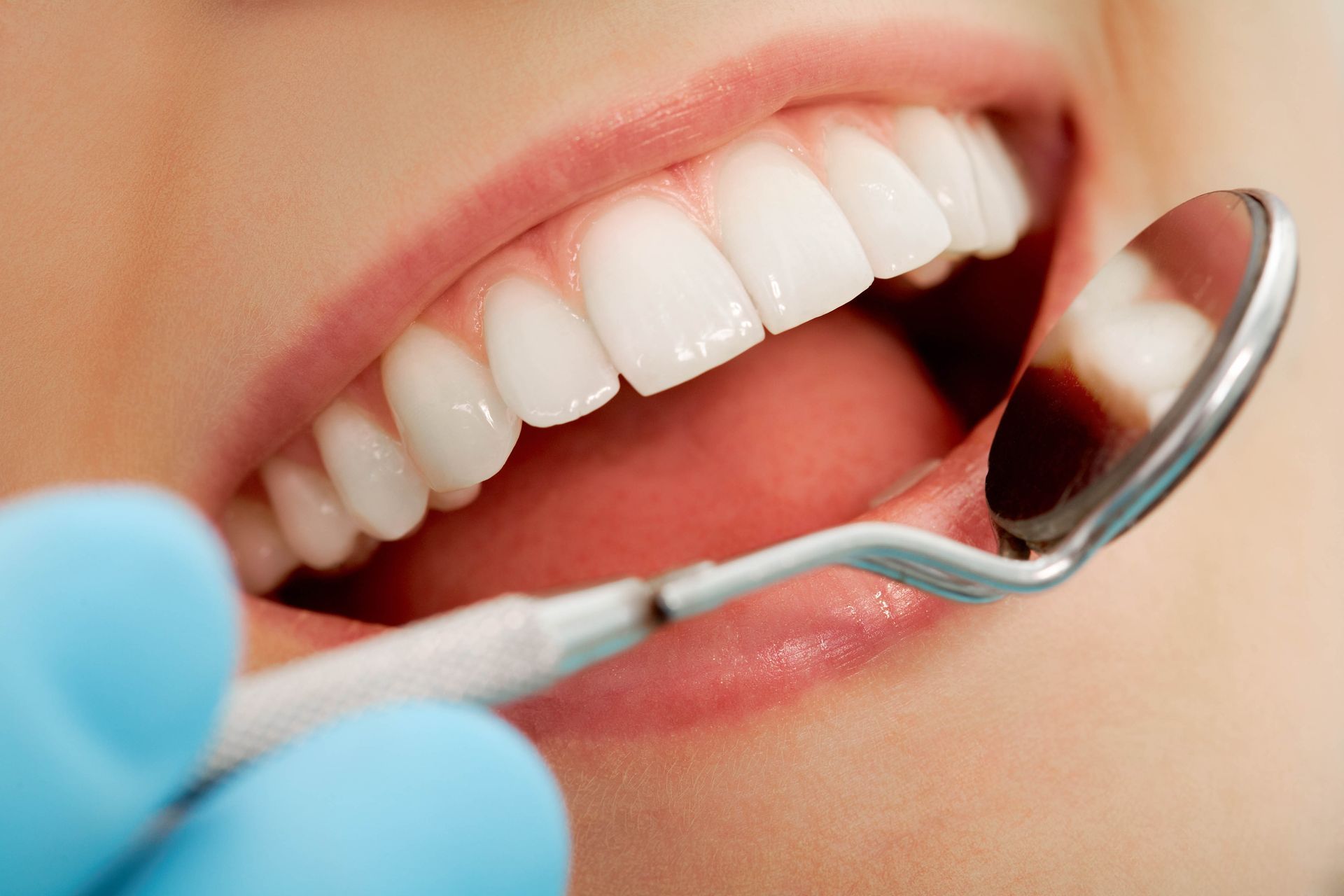
Regular dental check-ups are vital for preventing and identifying oral health issues early. Professional cleanings remove tartar and plaque build-up that regular brushing cannot eliminate. Dental examinations help diagnose problems like cavities, gum disease, and even signs of oral cancer before they progress to the point of requiring tooth extraction. Dentists can also provide personalized oral hygiene advice and detect issues before they become serious. Maintaining a schedule of biannual dental visits supports long-term oral health and significantly reduces the risk of emergency dental procedures.
While brushing is essential, over-brushing can lead to negative consequences such as enamel erosion and gum recession. Brushing too aggressively can damage the protective enamel layer and irritate gums, making teeth sensitive to hot and cold. It's crucial to use a soft-bristled toothbrush and gentle strokes to preserve enamel and gums. Recognizing the signs of over-brushing, such as excessive wear on teeth or receding gums, can help individuals adjust their technique. Balancing thorough cleaning with gentle care ensures that teeth remain healthy without damage.
2. Diet
Consuming high amounts of sugar is one of the most significant contributors to tooth decay. This happens because sugar feeds the bacteria in the mouth, leading to the production of acid, which erodes the tooth enamel. Over time, this erosion can result in cavities and infections. Reducing sugar intake, especially from sugary drinks and snacks, can help minimize this risk. Understanding that sugary foods are often hidden in seemingly healthy products can empower individuals to make better dietary choices and avoid dental treatments like tooth extraction.
Acidic foods and beverages such as citrus fruits, sodas, and wine can weaken tooth enamel. The constant exposure to acid can soften the enamel, making teeth more susceptible to decay, sensitivity, and structural damage that may ultimately require tooth extraction. While it is not necessary to eliminate acidic foods from your diet, consuming them in moderation and practicing good oral hygiene can help mitigate their effects. Rinsing your mouth with water after consuming acidic foods can also help neutralize the acids. Additionally, waiting to brush your teeth after consuming acidic foods allows the enamel to reharden, protecting it from damage.
Calcium and vitamin D play crucial roles in maintaining strong teeth and bones. Calcium is essential for forming and maintaining the structure of teeth, while vitamin D helps the body absorb calcium efficiently. A deficiency in these nutrients can lead to weakened teeth, increasing the risk of decay, gum disease, and possible tooth extraction. Consuming dairy products, leafy greens, and fortified foods can help ensure adequate intake of these nutrients. Additionally, exposure to sunlight and dietary supplements can aid in maintaining healthy levels of vitamin D.
Staying hydrated is vital for maintaining oral health as it promotes saliva production. Saliva acts as a natural defense mechanism by washing away food particles and neutralizing acids in the mouth. Insufficient water intake can lead to dry mouth, which increases the risk of cavities and gum disease. Drinking water regularly helps keep the mouth moist and supports the body's efforts to maintain a balanced oral environment. Remembering to drink plenty of water, especially after meals, can aid in preserving oral health.
A well-rounded diet rich in fruits, vegetables, and lean proteins provides the necessary nutrients for optimal oral health. Consuming a variety of nutrients ensures that teeth and gums receive the necessary building blocks for maintenance and repair. In contrast, a diet lacking essential vitamins and minerals can contribute to oral health issues that may escalate to tooth extraction if left untreated. Focusing on whole and unprocessed foods can provide a broad spectrum of nutrients that support not only oral health but also overall wellness. Incorporating a colorful array of foods can make meals more interesting while also benefiting dental health.
3. Lifestyle Choices
Tobacco use poses significant risks to oral health, contributing to conditions like gum disease and oral cancer. The chemicals in tobacco can harm gum tissue, leading to tooth loss, infections, and an increased likelihood of tooth extraction. Furthermore, smoking tobacco stains teeth, affects taste, and reduces the healing ability of oral tissues. According to the Centers for Disease Control and Prevention, tobacco use is one of the most common risk factors for gum disease, underscoring the critical need to address this habit. Quitting smoking can dramatically improve oral health and reduce the risk of complications.
Excessive alcohol consumption is linked to several oral health issues, including an increased risk of mouth cancer. Alcohol can also dry out the mouth, reducing saliva production and allowing harmful bacteria to thrive. Reduced saliva can lead to bad breath, gum disease, and tooth decay. Limiting alcohol intake and consuming it only in moderation is essential for maintaining a healthy oral environment. For those who drink, staying hydrated with water can help mitigate alcohol's drying effects on the mouth.
Stress affects more than mental health; it can also impact oral health by contributing to habits like teeth grinding. Known as bruxism, this condition can result in damaged teeth, fractures, and structural issues that may require restorative treatment or even tooth extraction. Managing stress through relaxation techniques or professional help can alleviate this involuntary response. Additionally, stress can weaken the immune system, affecting the body's ability to tackle infections, including those in the mouth. Identifying and managing stress levels can therefore preserve both oral and overall health.
Quality sleep is essential for overall health, and its impact on oral health is significant. Poor sleep can exacerbate bruxism, a condition where individuals grind their teeth during sleep. This grinding can lead to tooth wear, sensitivity, and fractures. Addressing sleep issues, whether through improved sleep hygiene or medical intervention, can reduce bruxism. Recognizing the link between sleep and oral health can lead to better management of sleep-related dental conditions.
Strong oral health is built on consistent habits and informed choices. Proper brushing and flossing, a balanced diet, regular dental visits, and mindful lifestyle decisions all contribute to healthier teeth and gums. By taking a proactive approach and making small, sustainable improvements, you can reduce the likelihood of needing a tooth extraction and protect your smile for years to come. If you have questions about your oral health, contact Gentle Dental Care of Tyler to schedule a consultation and receive clear, personalized guidance about your treatment options.